10 Years of Experiential Design Week: 10 Lessons About Experiential Design
Julie Maggos
Senior Director, Experiential Design
SEGD, LEED AP
Experience is in everything. Every design decision shapes it. Materials, lighting, sound, technology, information, and human interaction all influence how people understand a place and how they feel within it. Whether or not we set out to design the experience, people will have one.
In 2017, IA launched Experiential Design Week to create a dedicated forum for exploring this relationship between people and place. Over the decade since, our practice has evolved alongside new technologies, changing expectations, and a deeper understanding of what environments can do.
Looking across ten years of Experiential Design Week, IA research, thought leadership, and project experience, ten lessons rise to the surface.
1. Experience is Not a Layer
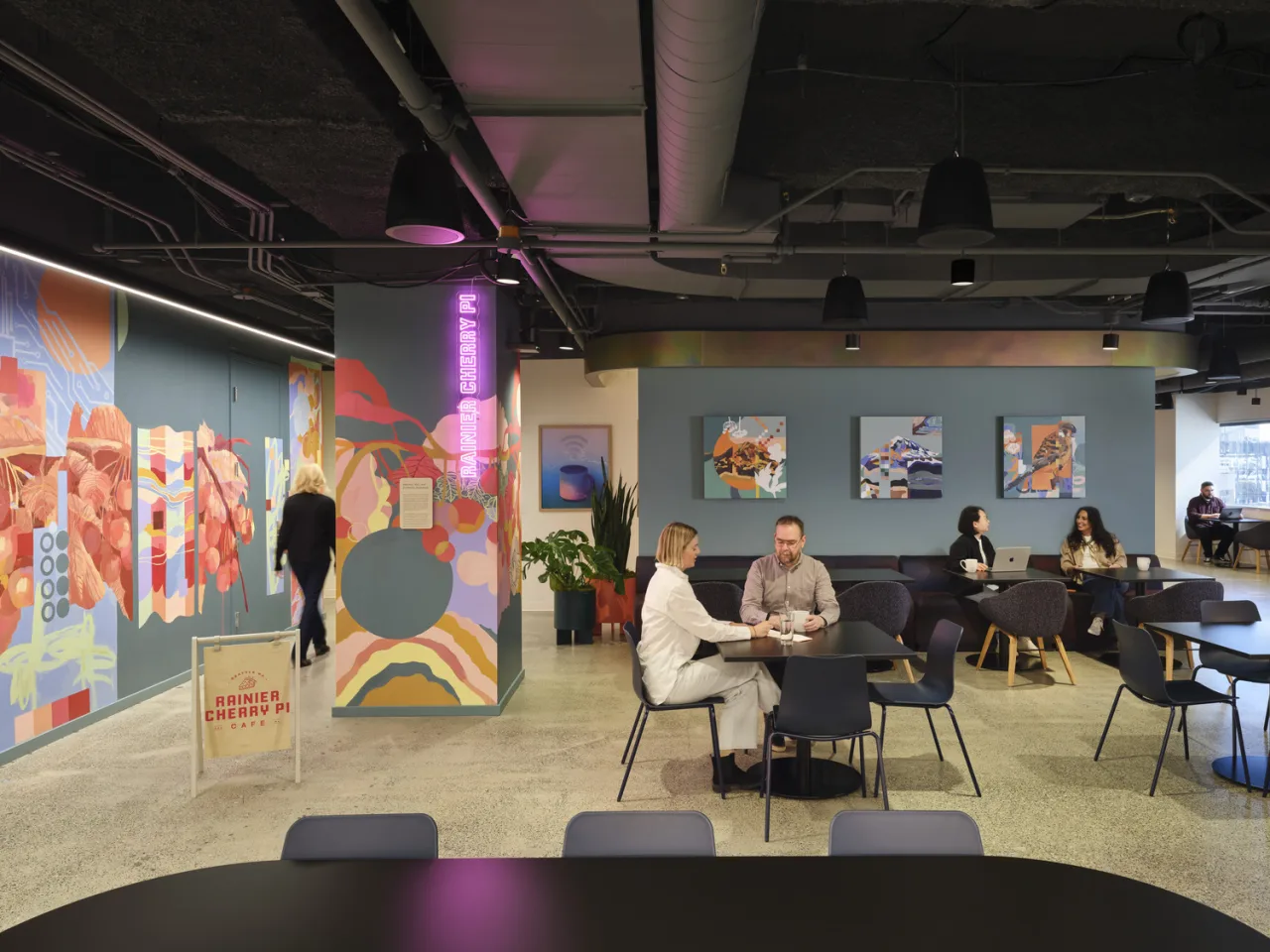
Experiential design cannot be saved for the end of a project. It begins with understanding who will use the environment and what the design should help them feel, understand, and do.
As explored in Finding Meaning Through Experiential Design, the goal is to create a deeper relationship between people and place through intentional decisions made throughout the design process.
2. Wayfinding Builds Confidence
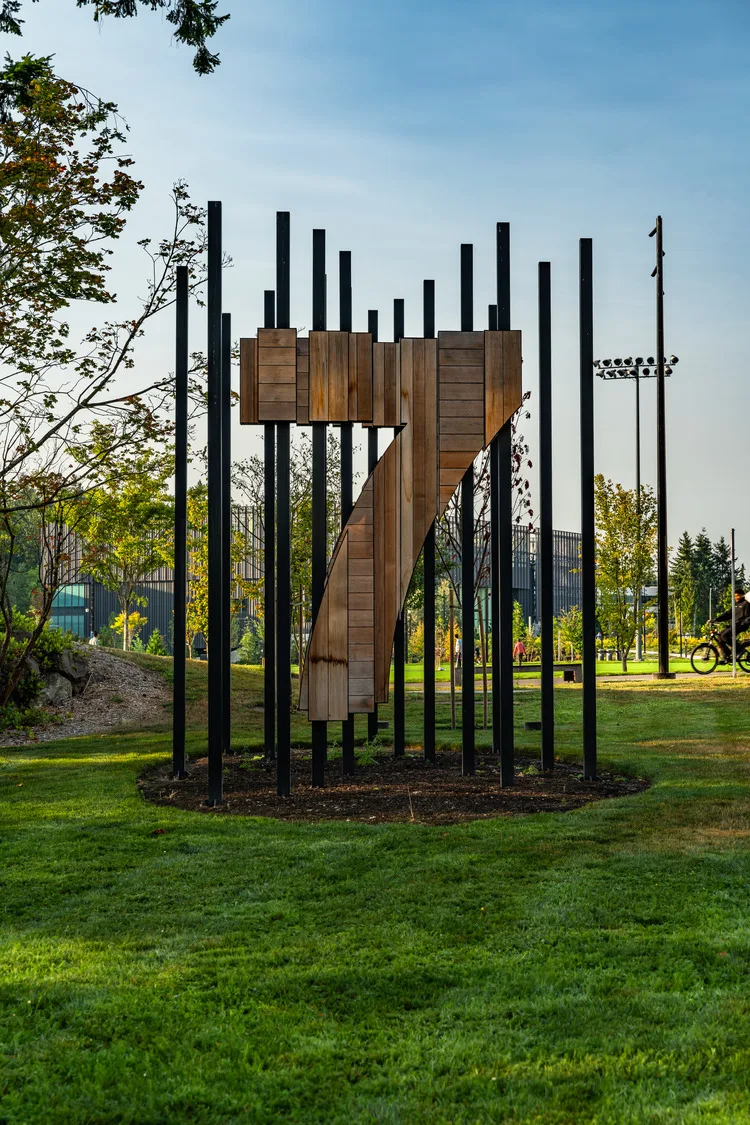
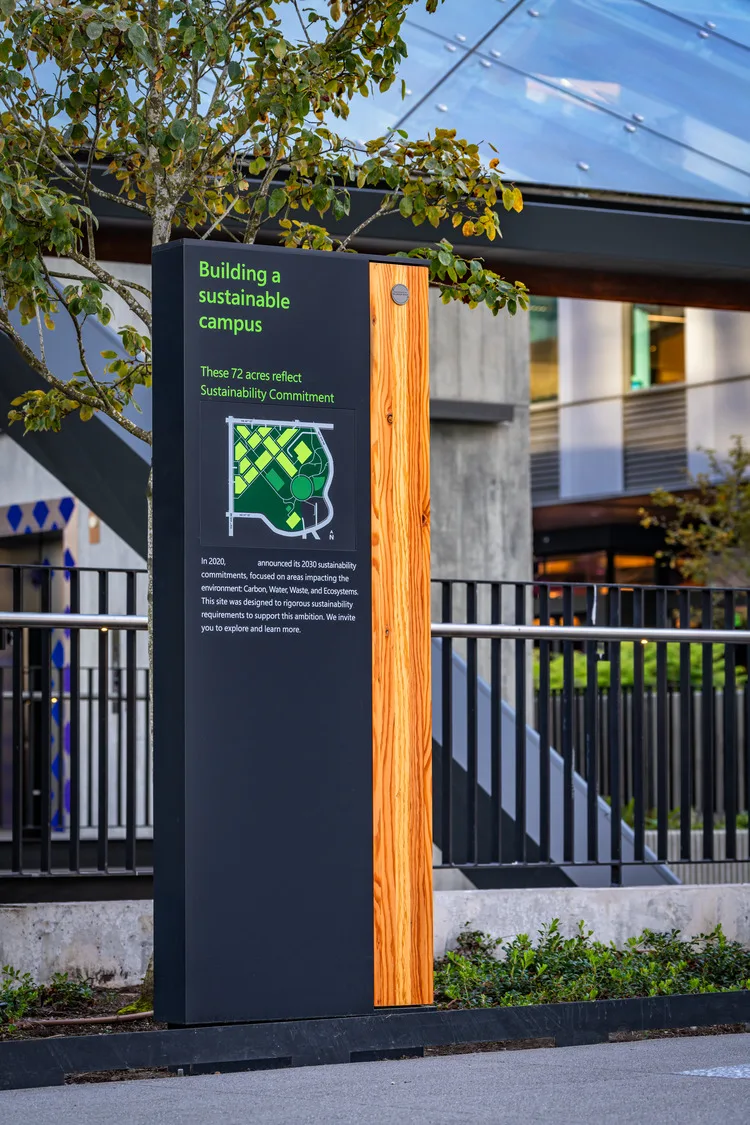
Wayfinding does more than help people get from one place to another. Even the simplest signage communicates more than words, conveying identity, hierarchy, expectation, and welcome.
But confidence comes from the system as a whole. At IA’s Confidential Tech Campus, clear signage, tactile elements, landmarks, and environmental cues help a wide range of users build spatial awareness and navigate independently.
3. Brand Becomes Tangible in Place
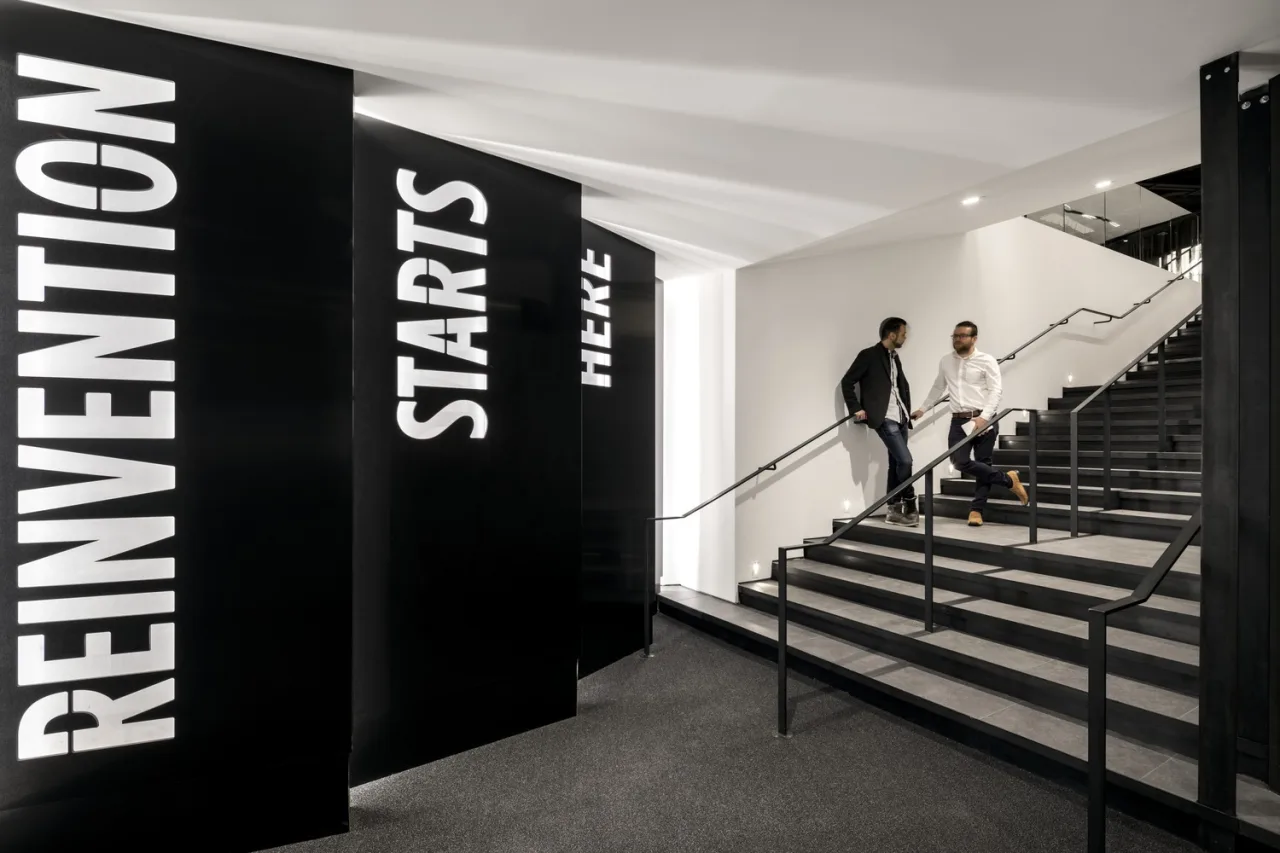
A brand is an idea until people can experience it.
The built environment gives its identity, values, and culture physical form. How Brand, Culture, and People Shape Place explores how these elements combine to shape an environment, while Elevating Brand Values as Artwork shows how abstract values can become original, site-specific expressions of what an organization stands for.
4. Stories Make Place Memorable
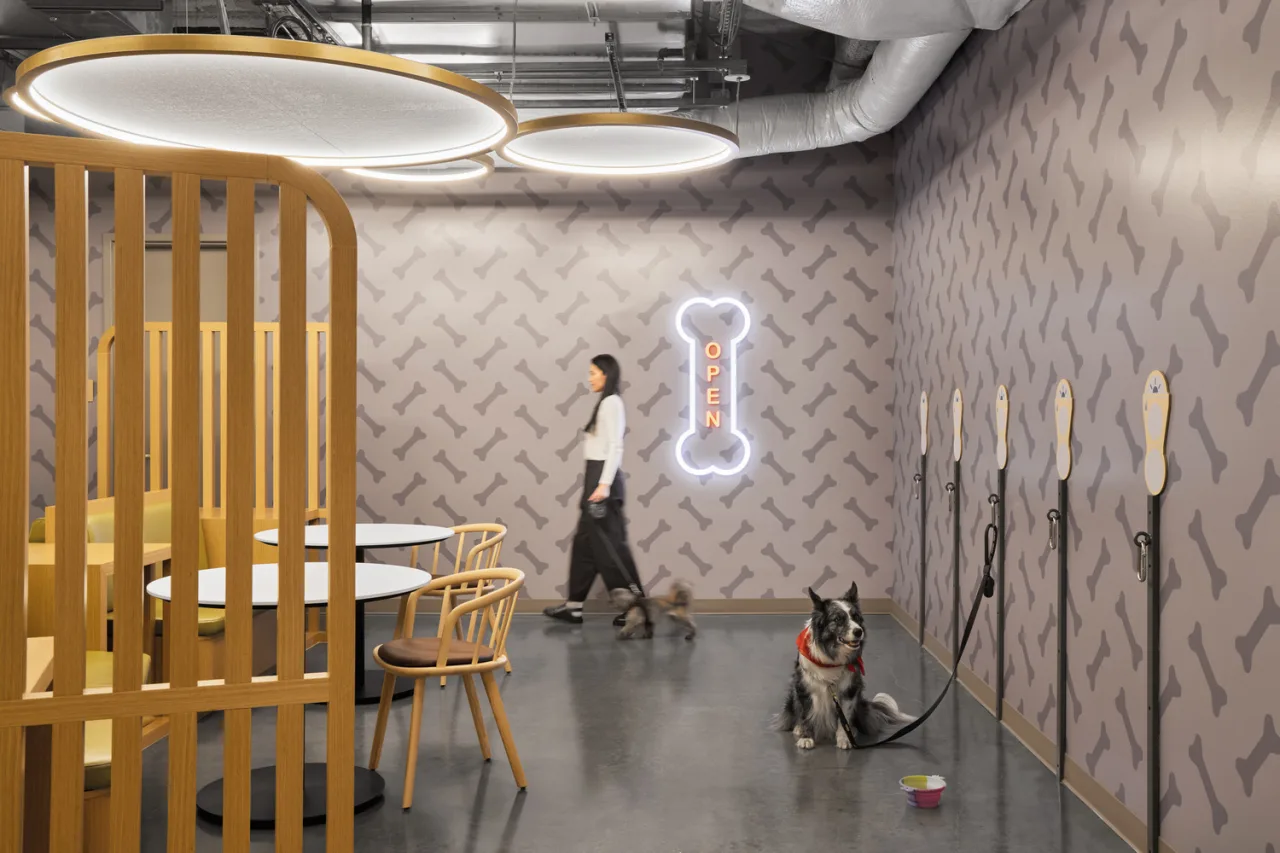
Brand establishes identity, and storytelling gives it depth, context, and emotional resonance.
Experiential Storytelling shows how space, lighting, and design can carry narratives drawn from an organization, its people, or its location. Those stories may also be hiding in plain sight. Archival Displays: Resonance and Preservation demonstrates how historical objects and documents can connect past and present through immersive moments of discovery.
5. Technology Succeeds When It Serves the Experience
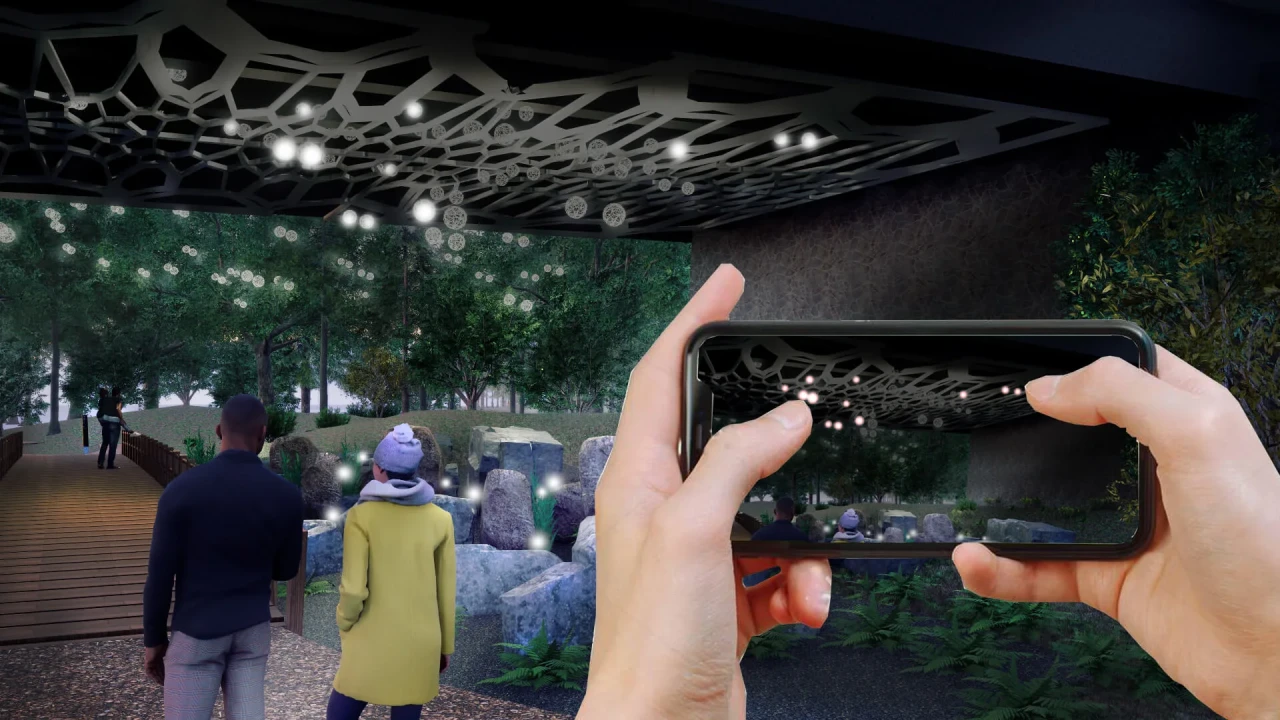
Technology can be quiet or immersive, but it should always serve a human purpose.
An early IA exploration of Invisible Technology captured a principle that still holds true: digital experiences should feel intuitive and relevant. More recently, Immersive Spatial Design explores how physical and virtual elements can work together to create layered, human-centered experiences. People should remember what the technology allowed them to feel or do, not simply the technology itself.
6. Inclusion Begins Before Compliance
Codes and standards establish a baseline. They do not account for every way people perceive, understand, and move through an environment.
Beyond ADA: Designing Accessible Wayfinding for the Visually Impaired examines the gap between meeting technical requirements and creating truly accessible spaces. Closing that gap means considering different abilities, perceptions, and needs from the beginning.
7. Sustainability Must Be Designed In
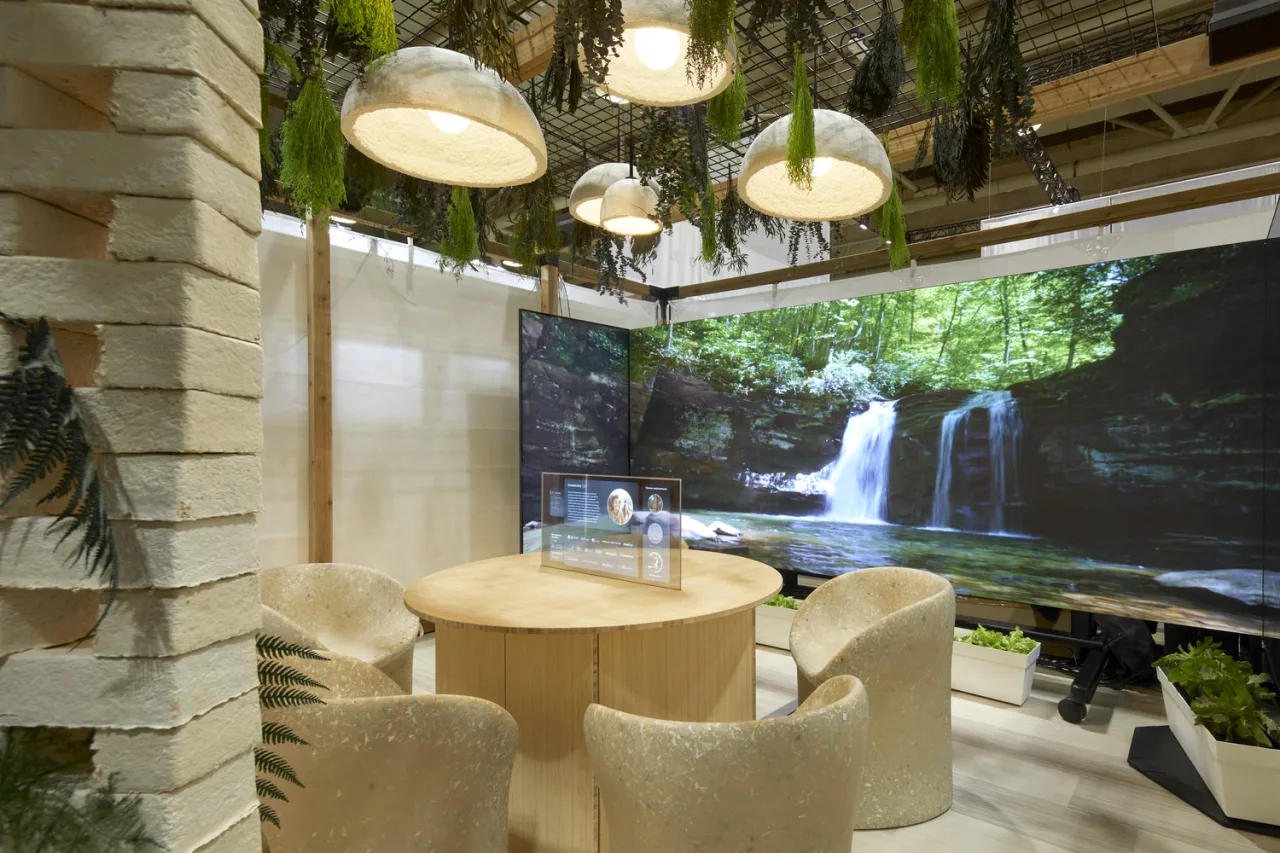
Every decision about materials, fabrication, transportation, installation, maintenance, and disposal contributes to the environmental impact of experiential design.
The Sustainability of Experiential Design explores how life-cycle thinking and responsible material choices can reduce environmental impact without limiting creativity. These decisions, when made visible, can also help people understand the values behind what they see.
8. A Cohesive Experience Needs a System
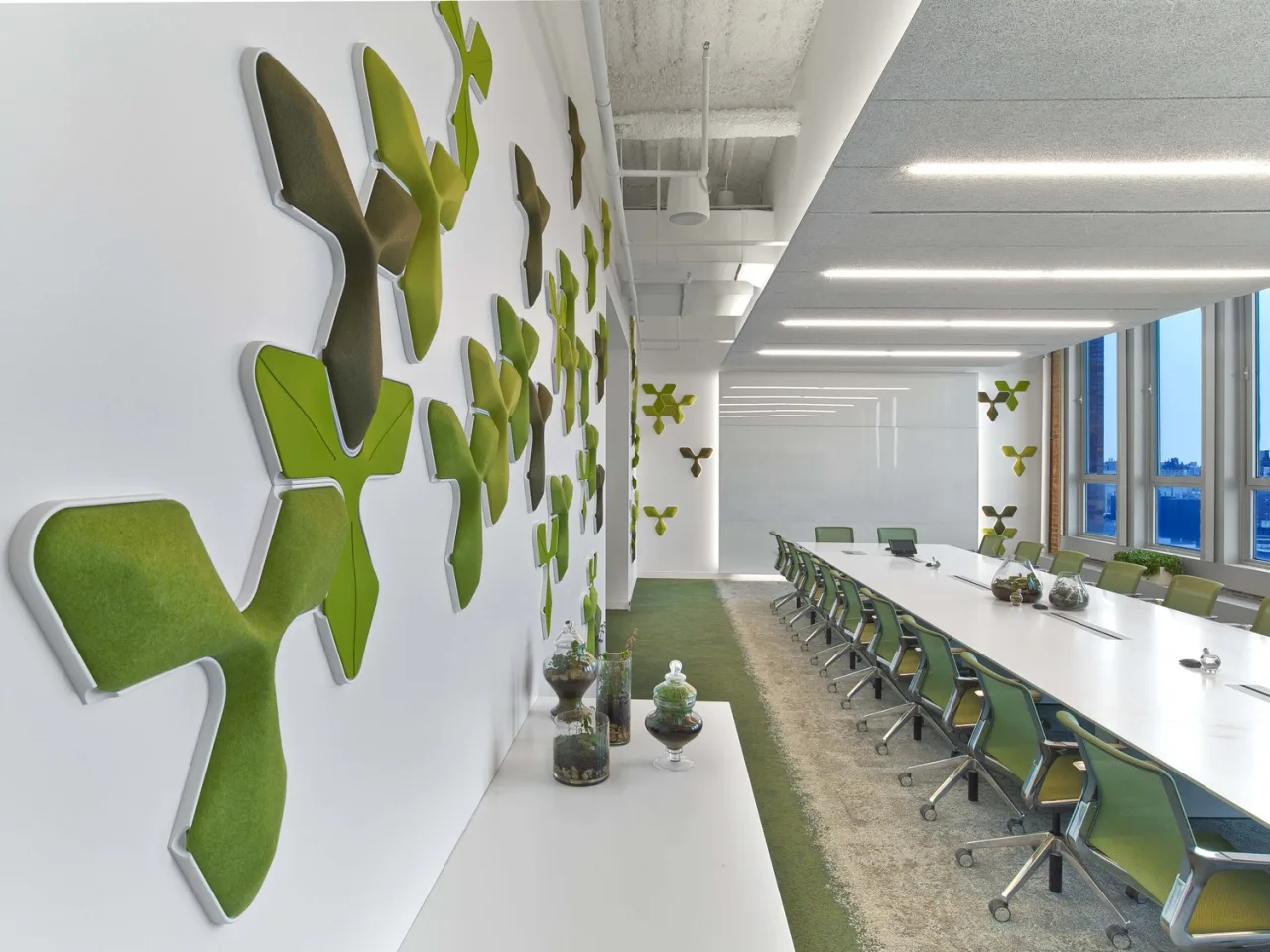
Designing one successful location is different from maintaining an experience across an entire portfolio. Organizations need consistency, but each place also has its own culture, context, budget, and users.
Experiential design guidelines provide a shared set of principles and tools. The goal is not to make every location identical, but to build a flexible system that protects the brand’s identity and intent as it adapts and scales.
9. AI Is Changing Both How We Design and What We Design
Artificial intelligence already affects how designers research, visualize, test, and develop ideas. It is also beginning to shape physical environments as intelligence moves beyond devices and into space.
Built to Feel: AI Beyond the Screen considers how ambient AI might support more responsive and emotionally nuanced environments. Increased speed and output also place more weight on human judgment. As explored in Designer as Reframer: Shaping Meaning in the Age of AI, designers still have to frame the right problems and decide what is relevant, trustworthy, and worth making real.
10. The Future Is Multisensory
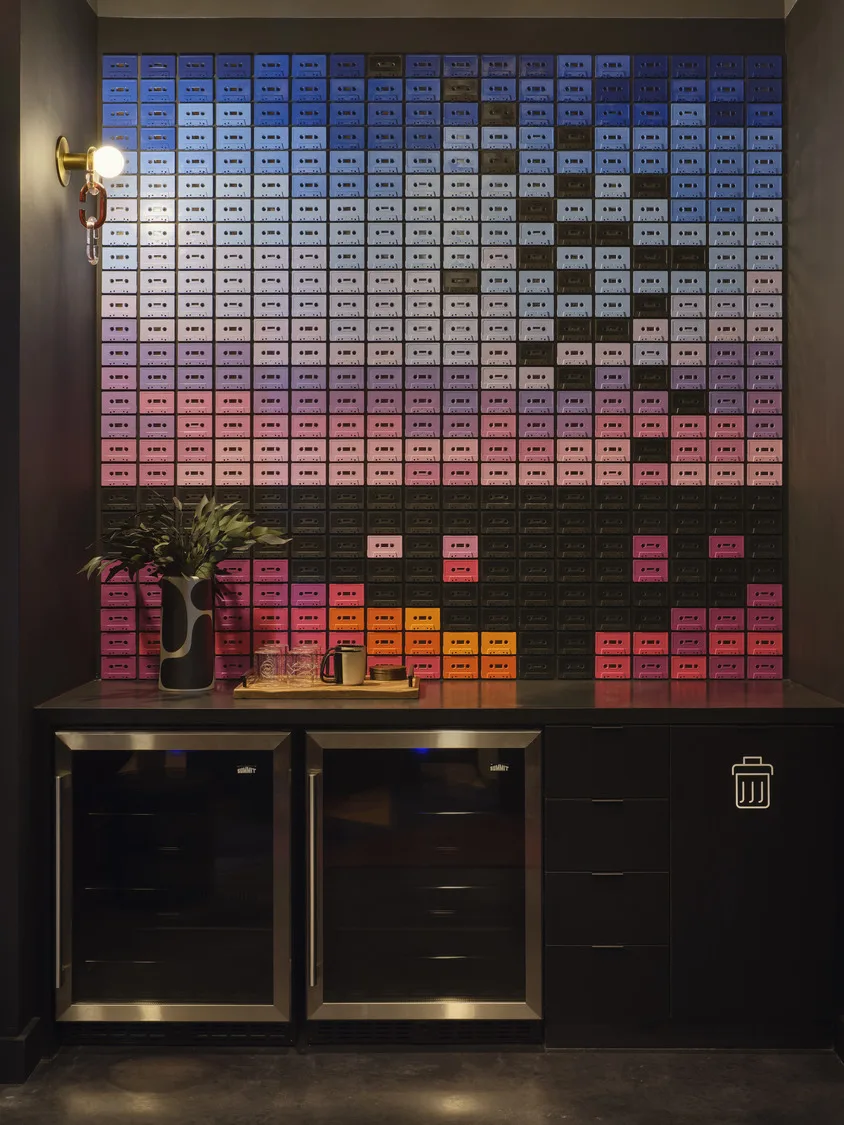
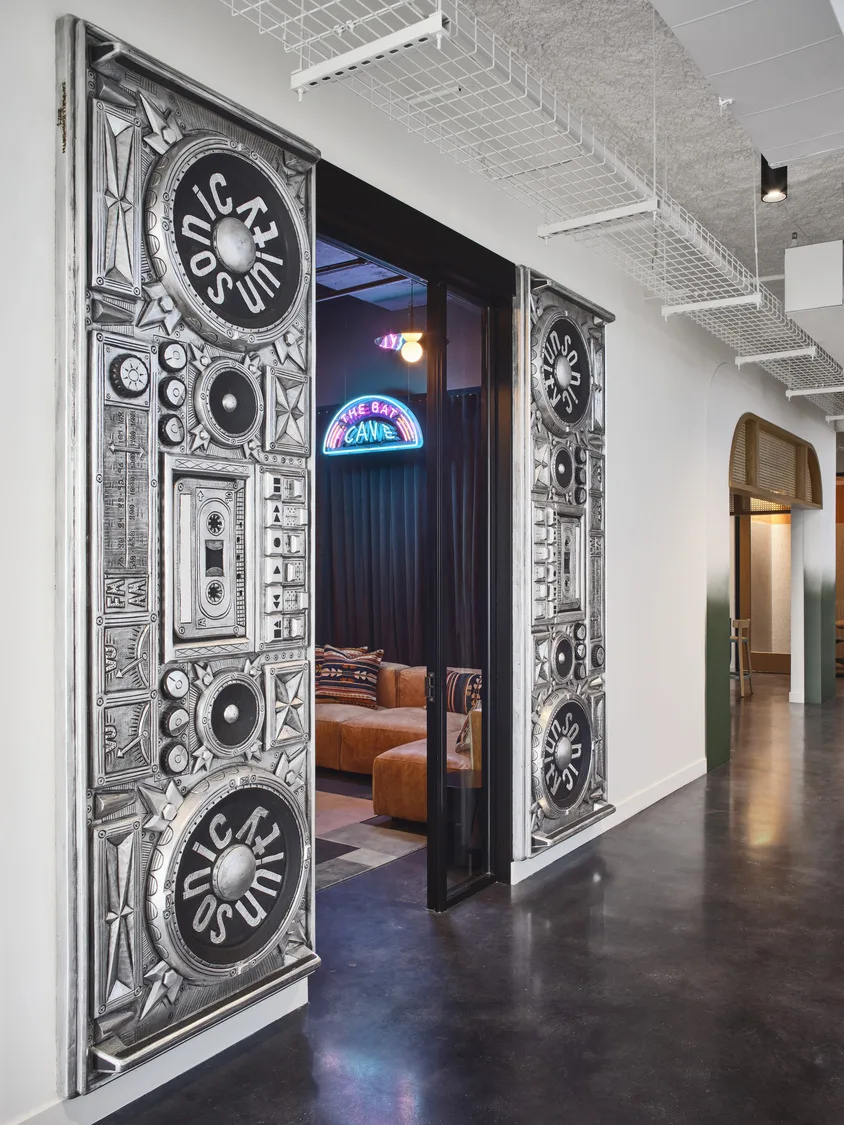
In 2022, IA officially removed the word “graphic” from the name of our practice. Dropping the G recognized that the discipline had expanded to include material, light, imagery, motion, sound, technology, art, and interaction.
A Five-Sensory Expedition takes that idea further, demonstrating how sight, sound, touch, scent, and taste can combine into an experiential whole. The future will be shaped by how thoughtfully all these elements work together.
A Decade of Experience
What began as a week dedicated to an emerging discipline now demonstrates just how far that discipline can reach. Experiential design can help people find their way, understand an organization, connect with a story, participate more fully, and feel more deeply connected to place.
The tools will continue to change. The possibilities will continue to expand. But the central purpose remains human. A decade in, experience remains at the heart of it all.
Have a project in mind?
Let's Talk
Start an Inquiry
Get in Touch