United States Department of Justice, Antitrust Division (DOJ ATR)

United States Department of Justice, Antitrust Division (DOJ ATR)

Washington, DC

Project Type

Headquarters

Square Footage

150,000

Sector

Government

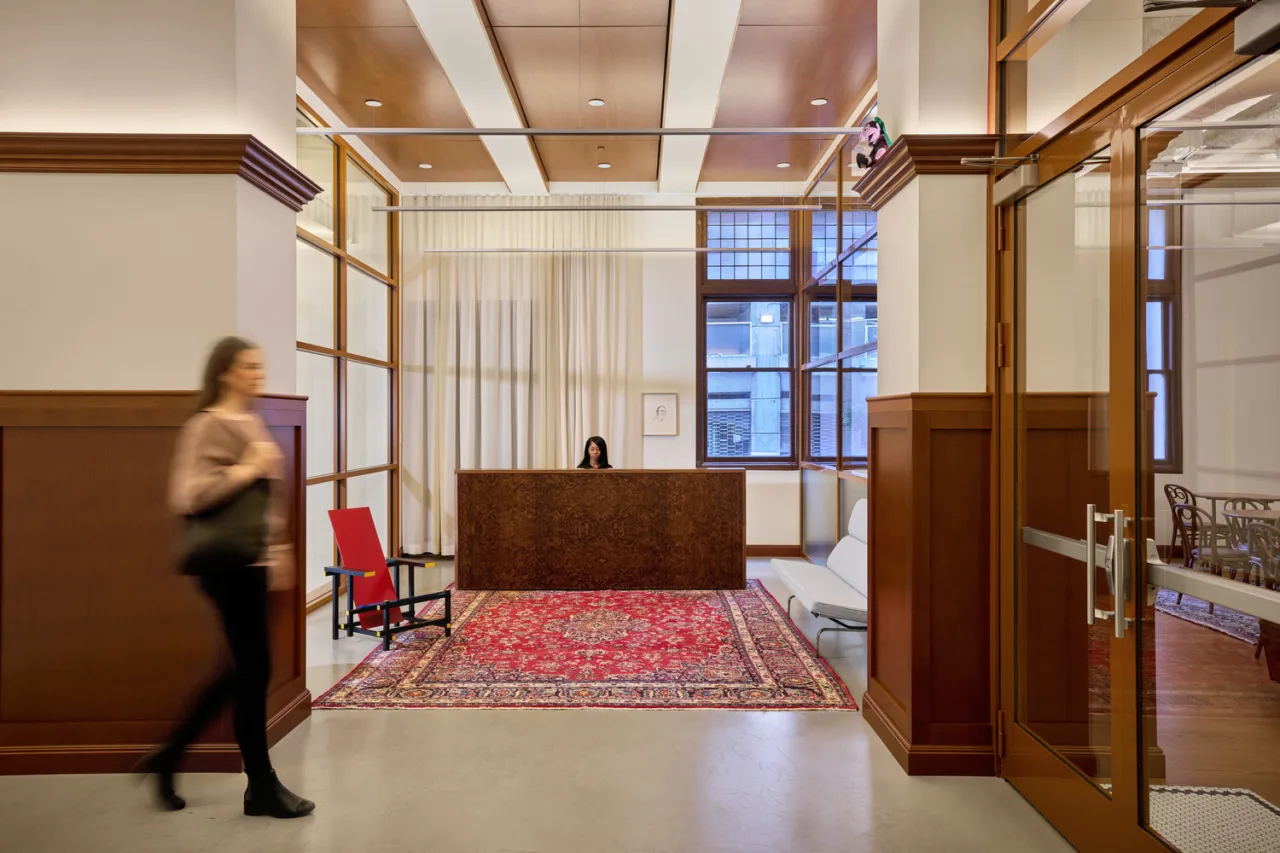
The Department of Justice Antitrust Division's headquarters relocation turns a smaller footprint into a more flexible federal workplace. A strategy-led approach reduced space by 30 percent while preserving critical functions, pairing universal unassigned offices with purposeful support settings, secure operations, and a transition to hybrid work for its evolving workforce.
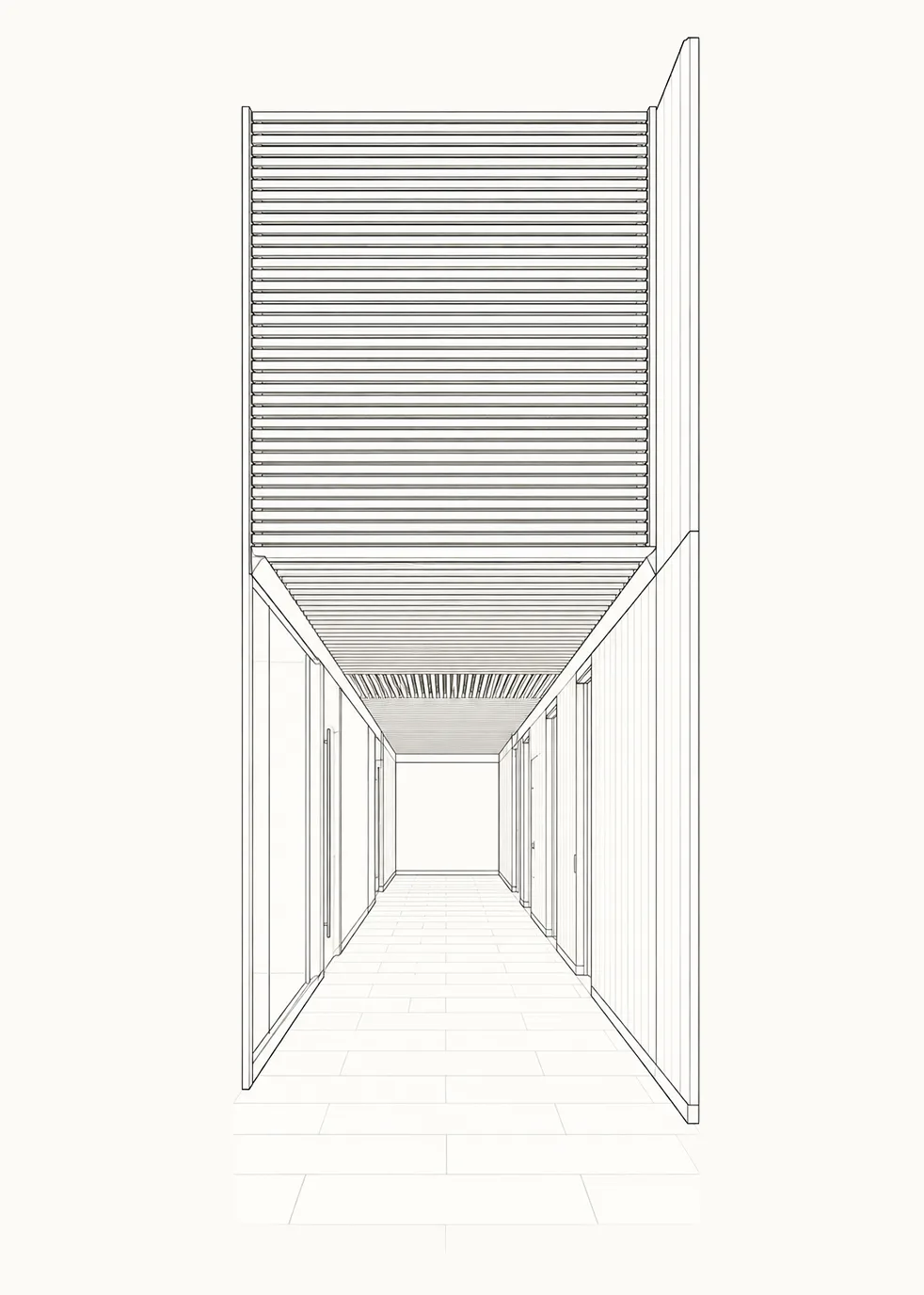
Consolidation Expands Workplace Choice
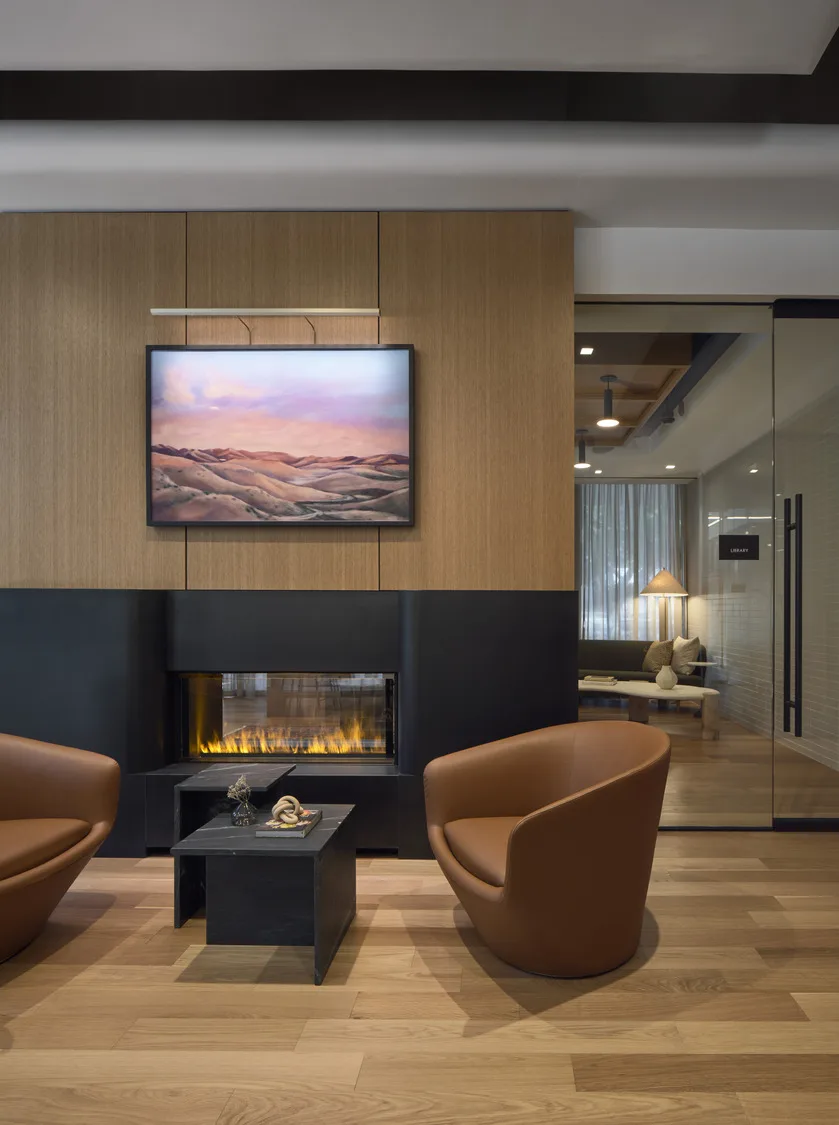
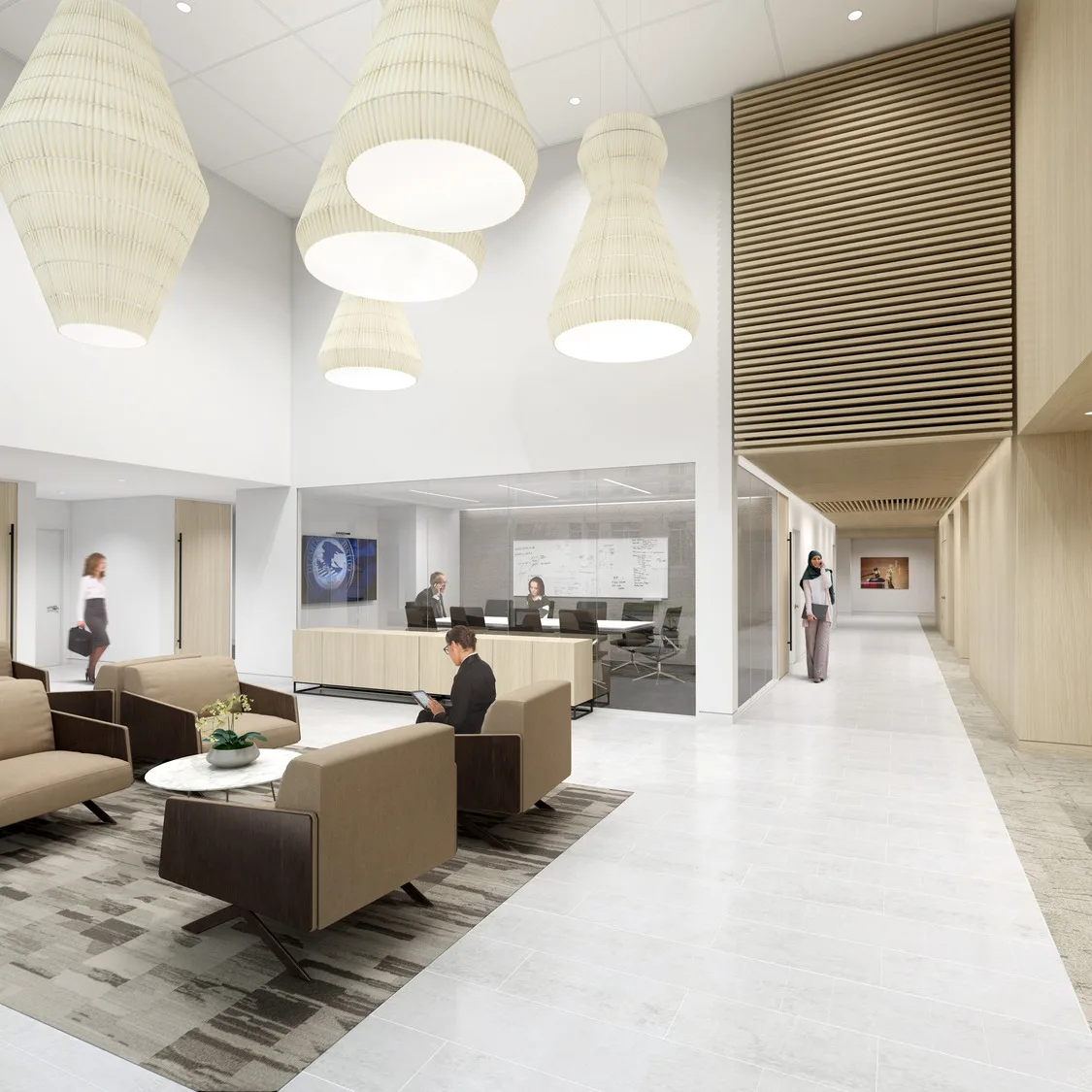
Comprehensive workplace strategy made a 30 percent footprint reduction possible without compromising the division's essential functions. Unassigned universal offices replace a fixed model, allowing space to serve changing teams and schedules with greater efficiency. Office floors are organized into neighborhoods, creating recognizable communities within the headquarters and bringing collaboration settings close to daily work. A balanced range of support spaces gives employees options beyond the individual office, helping the hybrid environment respond to focus, meetings, and shared problem-solving. The planning turns consolidation into an opportunity to clarify how space is used, supporting a more adaptable workplace without losing operational rigor.

Change Management Makes Flexibility Work
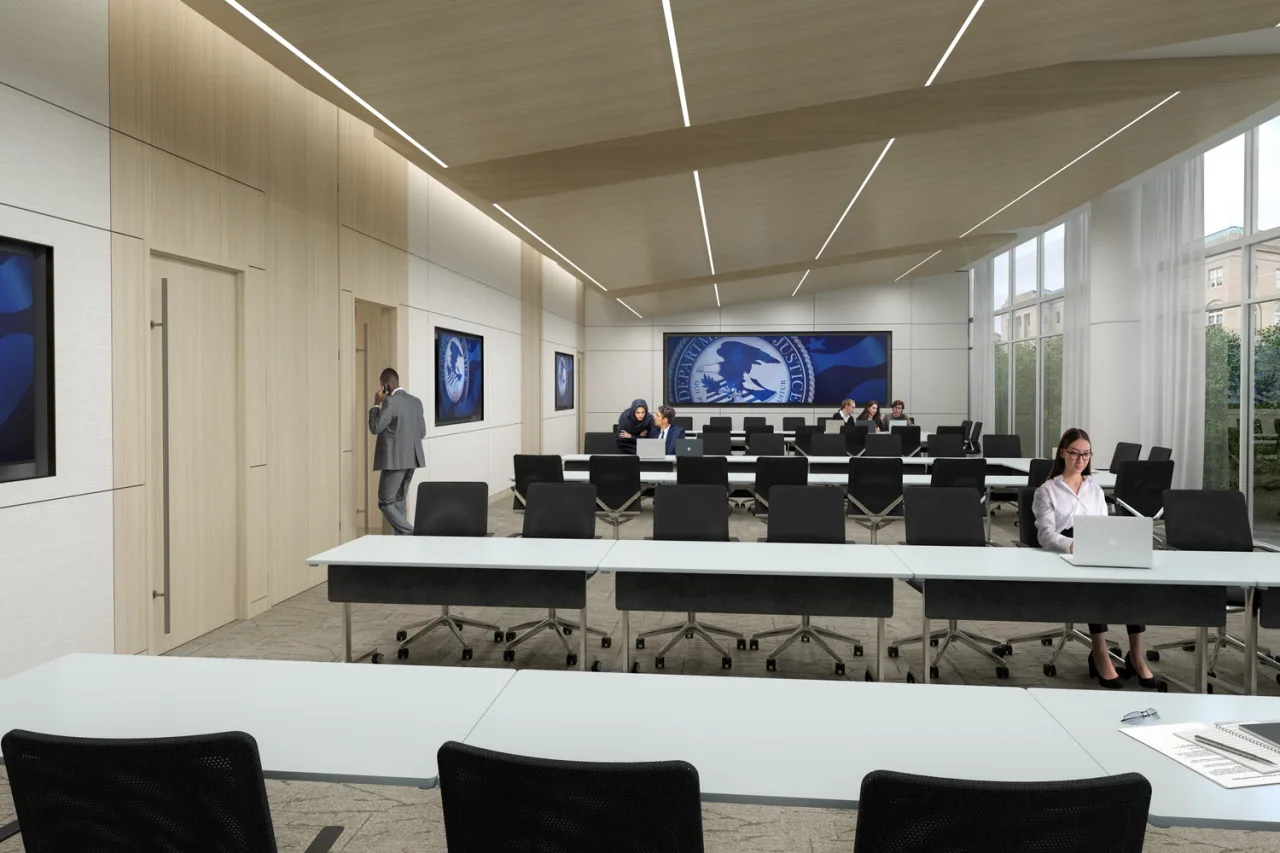
The workplace pairs flexibility with specialized settings central to the Antitrust Division's mission. A conference center supports meetings and gatherings, while a moot courtroom provides a dedicated environment for legal preparation and practice. These spaces remain integrated with the neighborhood-based workplace, keeping critical functions accessible without allowing them to dictate the entire plan. A change-management process engaged employees throughout the transition, helping people understand how to use unassigned offices and support settings with confidence. By aligning planning, specialized program needs, and employee readiness, the relocation creates a practical framework for hybrid work that can continue adapting as the division evolves.

Laura Vierling

Washington, DC's Managing Director

Project Type

Headquarters

Square Footage

150000

Market

Commercial

The Department of Justice Antitrust Division's headquarters relocation turns a smaller footprint into a more flexible federal workplace. A strategy-led approach reduced space by 30 percent while preserving critical functions, pairing universal unassigned offices with purposeful support settings, secure operations, and a transition to hybrid work for its evolving workforce.
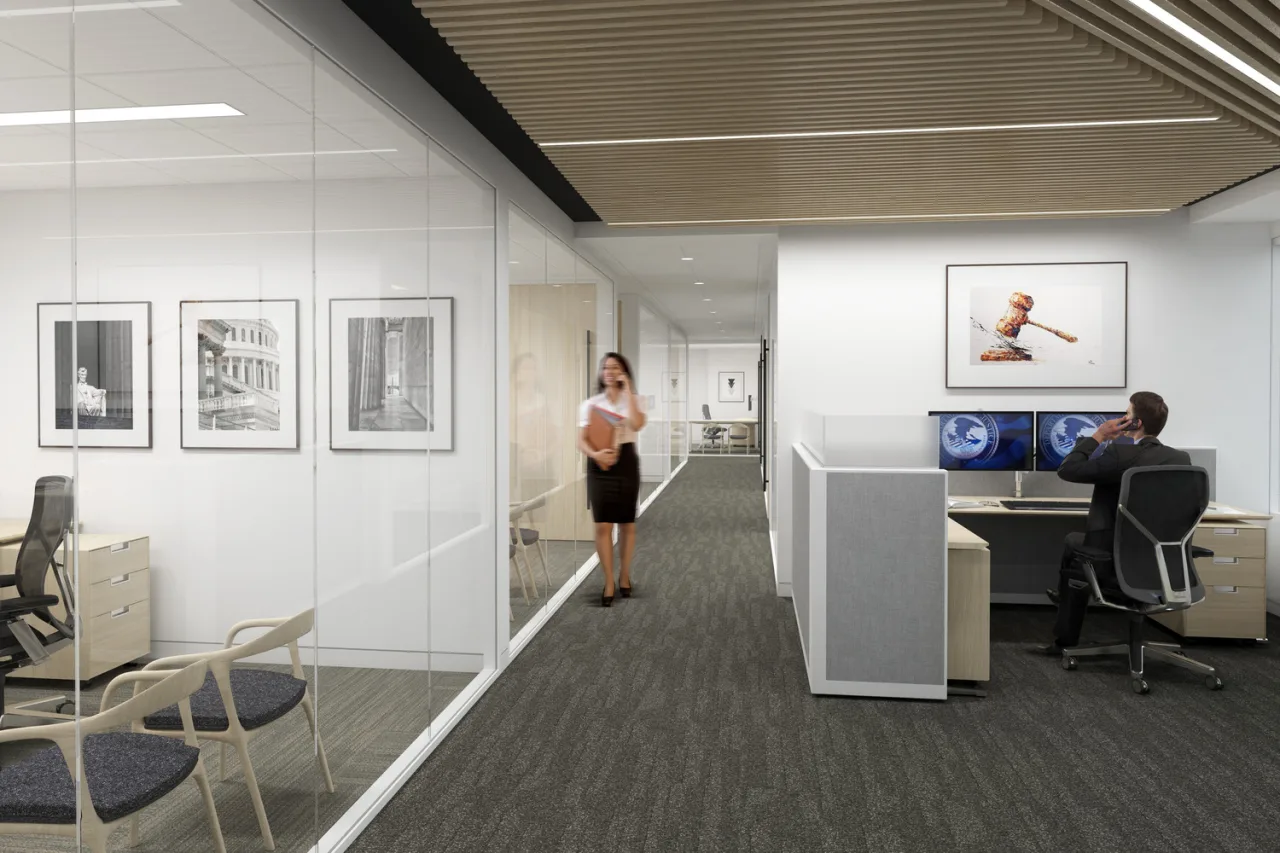
Consolidation Expands Workplace Choice
Comprehensive workplace strategy made a 30 percent footprint reduction possible without compromising the division's essential functions. Unassigned universal offices replace a fixed model, allowing space to serve changing teams and schedules with greater efficiency. Office floors are organized into neighborhoods, creating recognizable communities within the headquarters and bringing collaboration settings close to daily work. A balanced range of support spaces gives employees options beyond the individual office, helping the hybrid environment respond to focus, meetings, and shared problem-solving. The planning turns consolidation into an opportunity to clarify how space is used, supporting a more adaptable workplace without losing operational rigor.
Change Management Makes Flexibility Work
The workplace pairs flexibility with specialized settings central to the Antitrust Division's mission. A conference center supports meetings and gatherings, while a moot courtroom provides a dedicated environment for legal preparation and practice. These spaces remain integrated with the neighborhood-based workplace, keeping critical functions accessible without allowing them to dictate the entire plan. A change-management process engaged employees throughout the transition, helping people understand how to use unassigned offices and support settings with confidence. By aligning planning, specialized program needs, and employee readiness, the relocation creates a practical framework for hybrid work that can continue adapting as the division evolves.

Have a project in mind?
Let's Talk

Start an Inquiry

Get in Touch
We care about protecting your data


We care about protecting your data
How we use your data

On this website we use cookies and similar technologies to process device information and (anonymised) personal data. Processing serves the integration of content, external services and third-party elements, statistical analysis/measurement, integration of social media and IT security. Depending on the function, data is passed on to and processed by third parties. When integrating social media and interactive elements, data may also be stored by providers outside the jurisdiction of the European Union; despite careful selection, a level of protection equivalent to European data protection standards cannot be guaranteed. All consents are voluntary, not required for the use of our website and can be revoked or individually adjusted at any time via the "Adjust privacy settings" link in the footer.