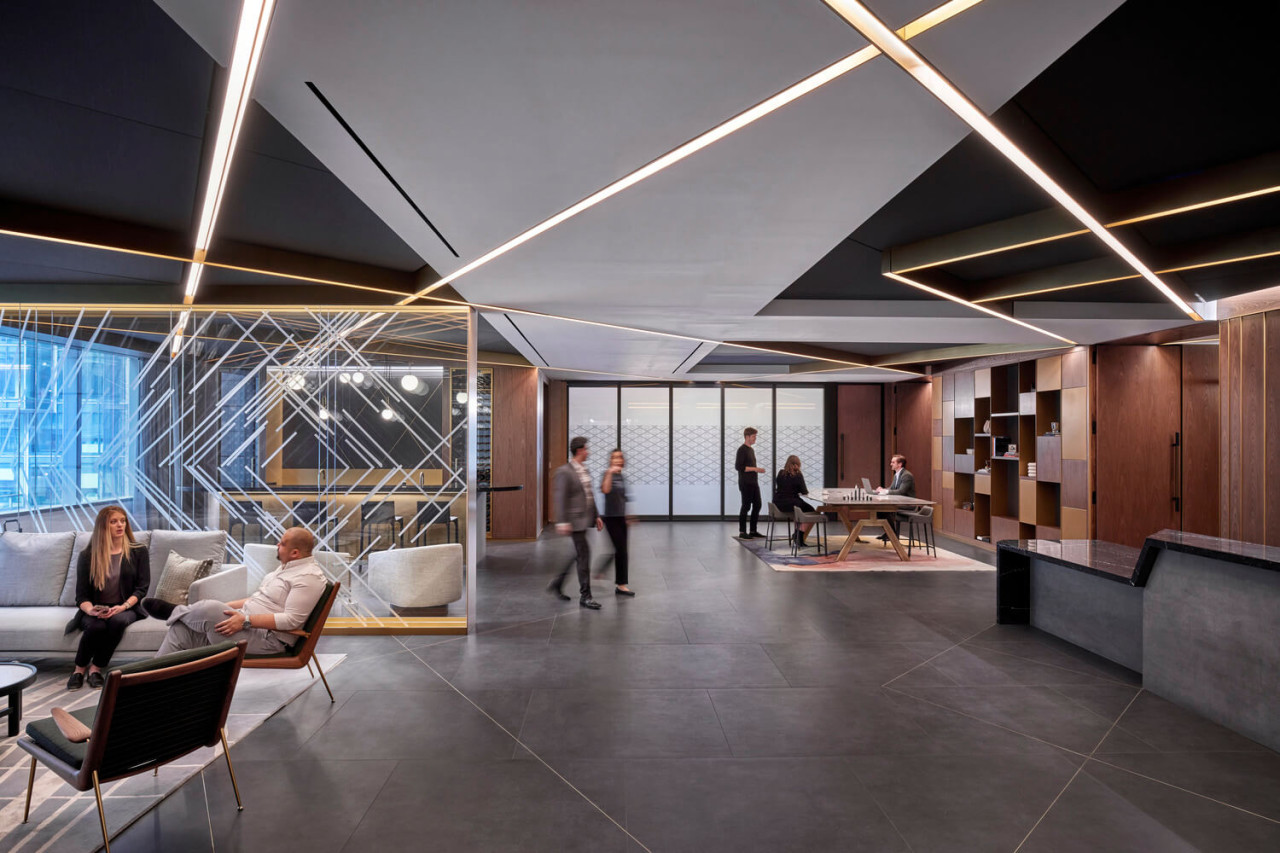
Optimizing Lighting Budgets
Gary Bouthillette | Principal, Senior Director of Lighting
Lighting costs can become difficult to manage as fixtures pass through a chain of intermediaries, where each markup may serve a purpose but can obscure value. A clear budget, unit pricing, and an objective lighting designer create the transparency needed to assess bids, negotiate pricing, and protect design quality. By pairing competitive specifications with selected technologies, teams can make informed decisions that control costs, maintain performance, and strengthen long-term value.
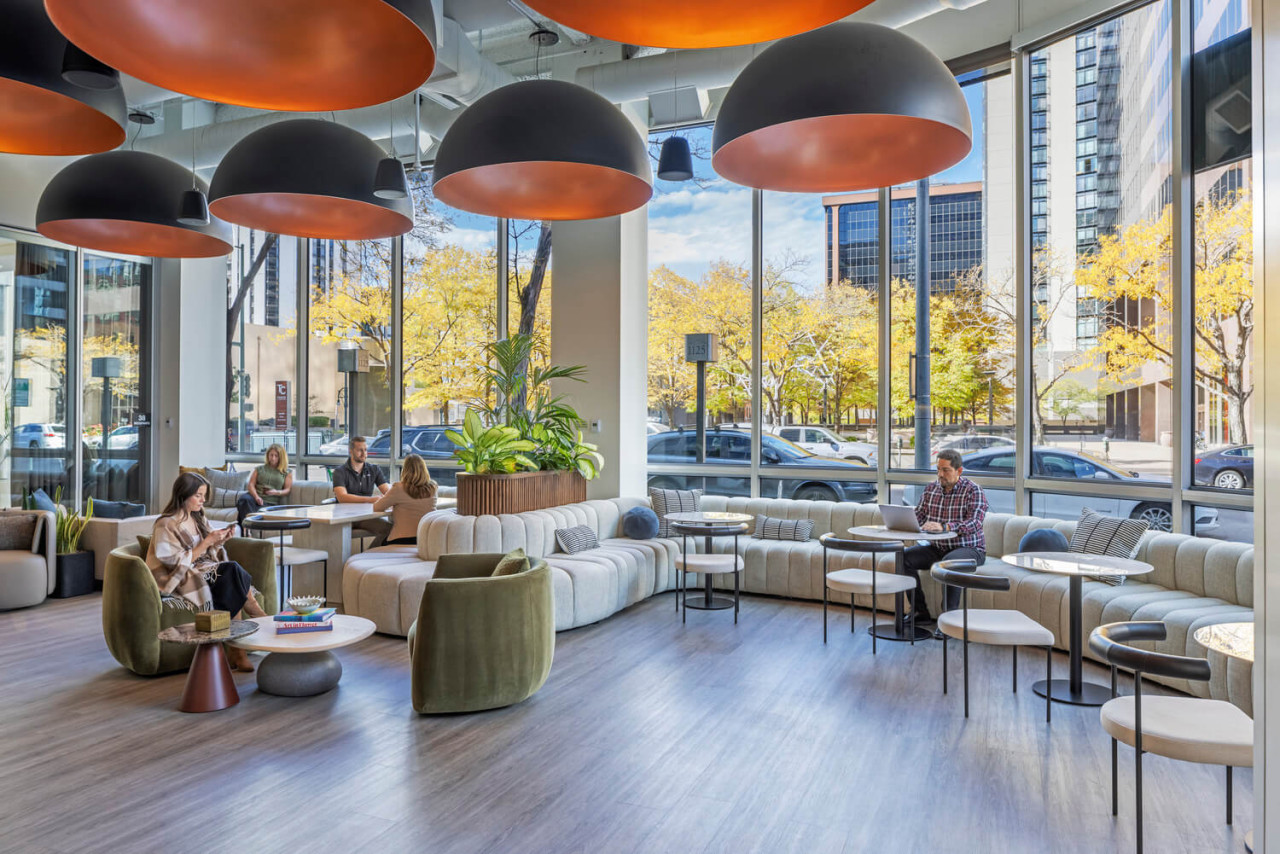
Confidential Client | Photography by Frank Ooms
There are more layers of markup for lighting fixtures and controls than just about any component of interior construction. While furniture and flooring may be marked up once or twice, lighting typically passes through twice as many intermediaries on its long journey to a final cost for the client. And to be fair, each of those various steps can serve a legitimate purpose like financing or limiting liability to owners. Yet, the more hands a product passes through, the harder it becomes to identify the source of added costs. Finding lighting solutions that provide excellent value in relation to cost requires an unbiased, well-informed process.
Realistically, the value engineering process on projects often leans more towards cost engineering than value engineering. When seeking value engineering options from someone with a financial interest in the outcome, there are higher profits to be made from options that provide low-cost but even lower value; in other words, money is saved but the products are overpriced. Similar to change orders on a project that often offer a poor cost-to-value ratio, owners place themselves in unfavorable positions by seeking value engineering options directly from those selling and marking up the desired products.
To ensure quality lighting solutions while maintaining budgets, an objective professional lighting design expert is highly recommended. While lighting design is often thought of as a premium service only required on premium projects, lighting design fees, in fact, often provide significant ROI when the scope of services includes an effective cost-control strategy. Unknown to many, sales agencies and sources are often willing to negotiate their prices up front, and a lighting designer who specifies tens of millions of dollars of products each year is well positioned to ensure the best pricing.
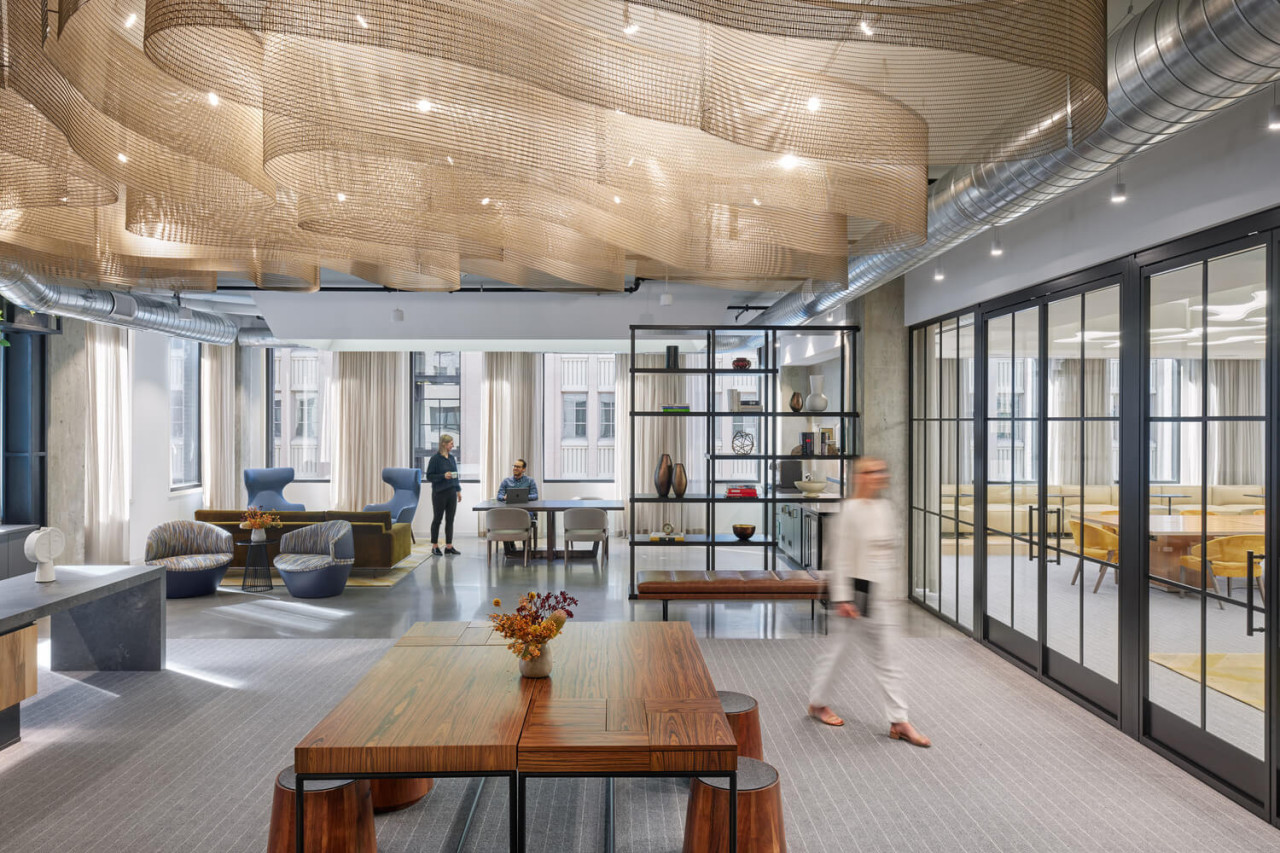
Confidential Client | Photography by Garrett Rowland
Set a budget for lighting; require unit pricing for lighting bids
When a project has a defined lighting budget, lighting designers can design to that number, track costs, and help avoid the need for value engineering. However, lighting bids rarely include unit costs for each fixture type, which complicates decisions, making it harder to know which costs are inflated and where the inflation occurs in the market chain. A designer with professional lighting expertise can offer insight into such lump sum bids through knowledge of the industry and some detective work, which might include back-checking with manufacturers and reps. Unit costs make it easier to do that and are always preferable for arriving at best-value outcomes.
Using the market to your advantage
Understandably, clients and project managers often seek ways to reduce uncertainty in lighting budgets by going directly to a source that will guarantee a particular price point. This scenario usually involves the distributor or sales agency building a lighting package that meets the budget. However, there is no way of knowing if the package provides an equitable cost/value ratio unless information is disclosed about the mark-up percentage(s) and/or the costs per unit. Caution is therefore advised unless pricing transparency is guaranteed.
Leverage innovative technologies
Although avoiding proprietary products usually helps keep costs down by allowing for multiple competitive bids, products do periodically enter the market that are true game changers and may warrant consideration. For example, a fixture with advanced proprietary optics might lead to a reduction in required quantities, lowering costs beyond what competitive bidding only could achieve.
Conclusion
However, building competition into lighting specifications by assembling multiple sets of specs (packages) that are comparable in quality and can be bid to several sales agencies remains a tried-and-true cost control strategy, providing options and choices for the client. Additional strategies tailored to client needs through working with a lighting designer can help keep costs reasonable and value high.
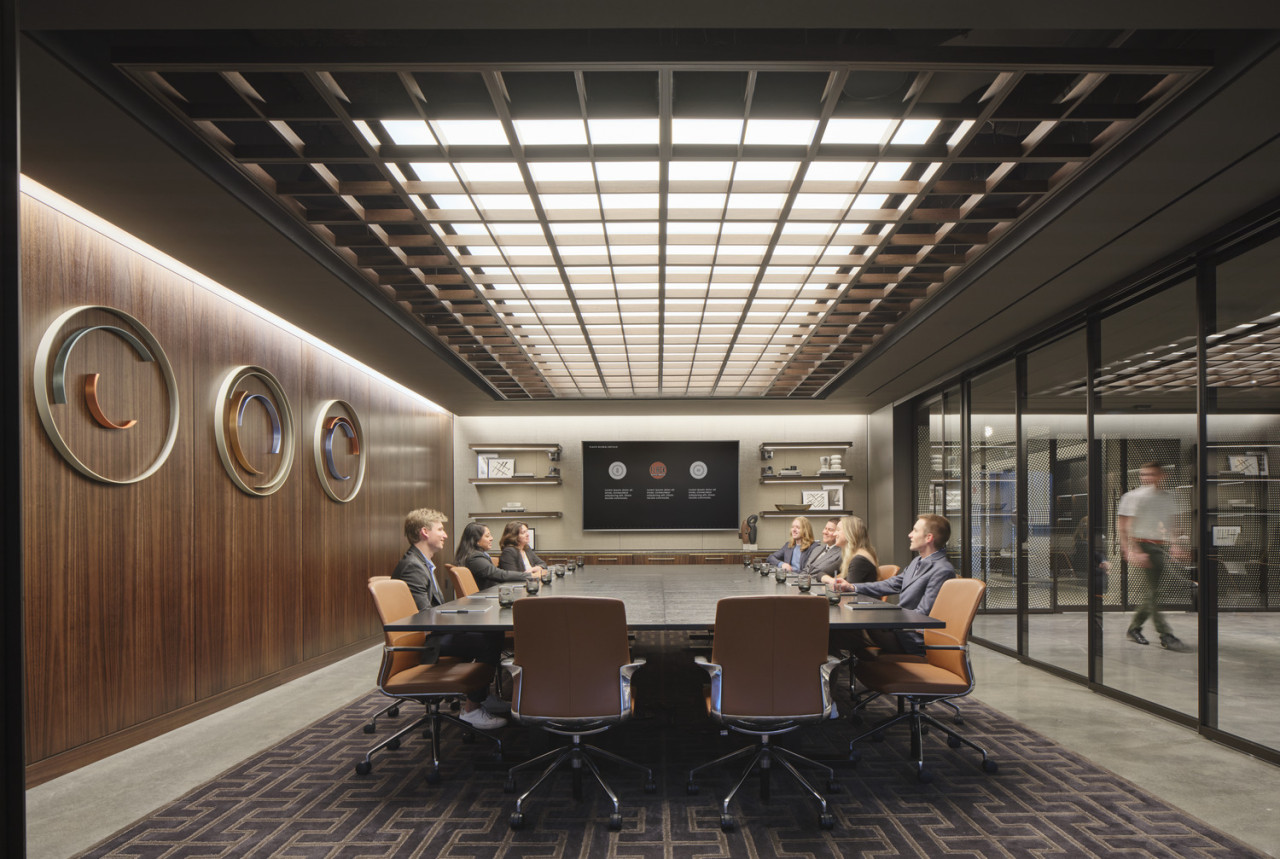
Flack Global Metals | Photography by Tom Harris
Have a project in mind?
Let's Talk
Start an Inquiry
Get in Touch